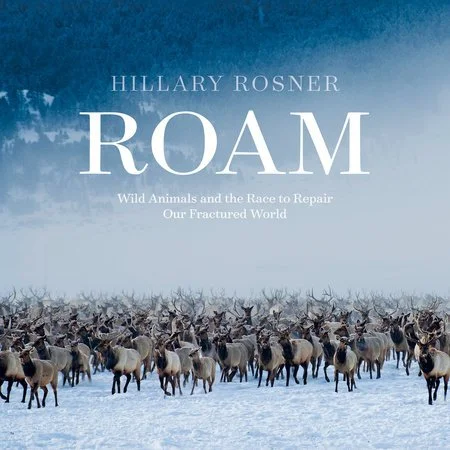
Join award-winning science journalist Hillary Rosner on Wednesday, May 27, 2026, at 7:00pm for for a lively conversation about her book Roam: Wild Animals and the Race to Repair Our Fractured World, the inspiring story of reconnecting ecosystems, restoring wildlife corridors, and reimagining a future where humans and animals can thrive together. Rosner will explore some of the stories she tells in the book in a conversation with author, environmental philosopher, and University of Montana professor Christopher J. Preston, followed by an audience Q&A featuring a panel of local conservation experts. The discussion will touch on how the movement to reconnect critical landscapes is playing out in Montana. This event is presented in partnership with the Center for Large Landscape Conservation and the Vital Ground Foundation.
About Roam: Wild Animals and the Race to Repair Our Fractured World:
What if saving our home planet starts with giving other species space to roam? How can we reshape our human-built landscapes to serve both people and wildlife?
These are the questions that Hillary Rosner attempts to answer in Roam, an urgent quest to figure out how to stitch our fragmented planet back together. It’s about the people trying to reconstruct landscapes where animals can once again move freely, as they did for millennia. It’s about reconnecting Earth so that wild species and natural systems have room to adapt and thrive. It's about seeing wildlife as the guides we need to lead us to adapt to climate change.
Humans have always altered the landscapes around us; in some ways, it’s part of what defines us as a species. But since the middle of the last century, we’ve changed the Earth on an overwhelming scale. Our infrastructure, our hunger for resources, our methods of farming, traveling and living—all these have rendered our planet inhospitable for the other species that live here. As a result, all over the globe, animals are stranded—by roads, fences, drainage systems, industrial farms, and cities. They simply cannot move around to access their daily needs. Yet as climate change reshapes the planet in its own ways, many creatures will, increasingly, have to move in order to survive.
This book illustrates a massive and underreported problem: how a completely human-centered view of the world has impacted the ability of other species to move around. But it’s also about solutions and hope: How we can forge new links between landscapes that have become isolated pieces. How we can stitch ecosystems back together, so that the processes still work, and the systems can evolve as they need to. How we can build a world in which humans recognize their interconnectedness with the rest of the planet, and view other species with empathy and compassion.
Author Biography:
Hillary Rosner has reported on environmental issues from around the world for outlets such as National Geographic, The New York Times, The Atlantic, Scientific American, Audubon and many others. She specializes in telling complex science stories in ways that resonate deeply with general audiences.
Moderator:
Christopher J. Preston is a writer, a professor of philosophy, and a one-time commercial fisherman who is obsessed with the sight of freshly falling snow. The most inflated title he ever possessed was Distinguished Visiting Fellow in the Ethics of the Anthropocene.
Sponsoring Organizations:
The Center for Large Landscape Conservation advances ecological connectivity for climate resilience worldwide through science, policy, practice, and collaboration.
The Vital Ground Foundation is a land trust that conserves and connects habitat for grizzly bears and other wildlife. They also team up with communities to prevent conflicts between bears and people.
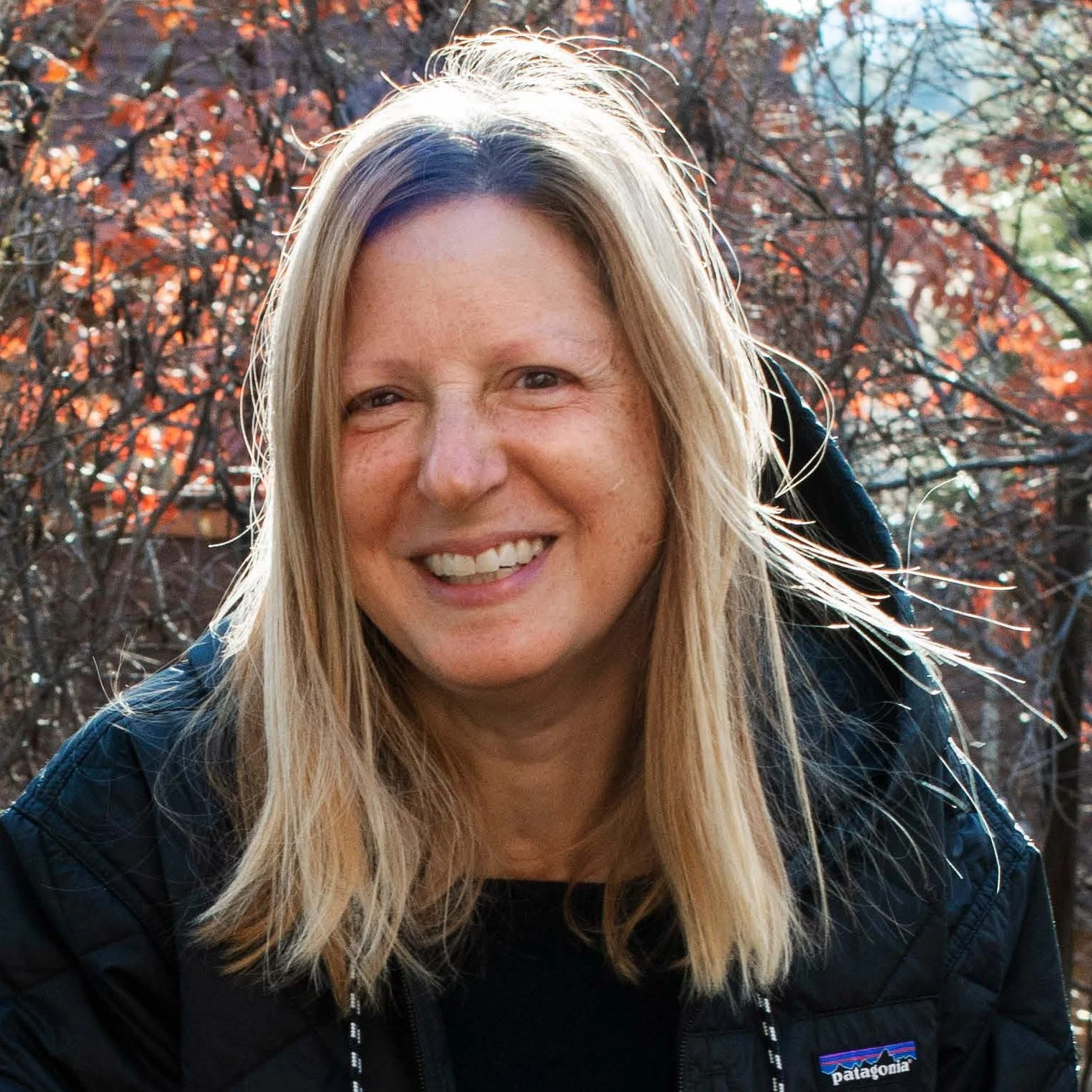
Hillary Rosner
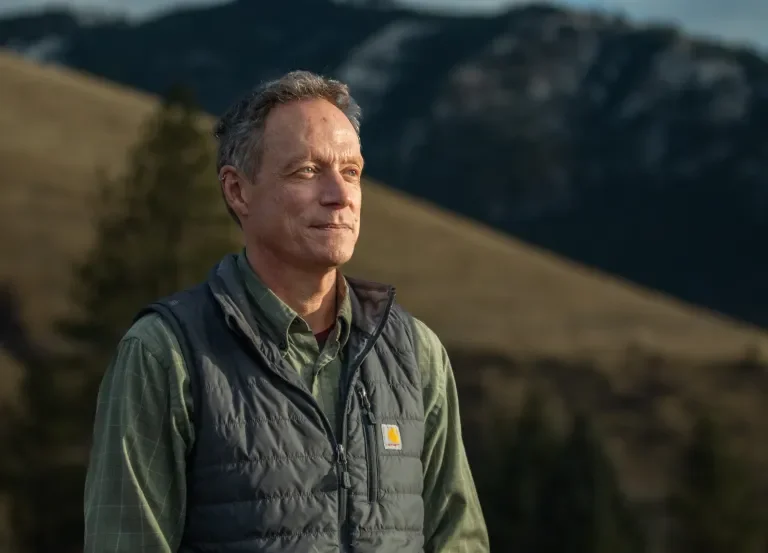
Christopher J. Preston
Photography Credit: Jordan Hoffmaster